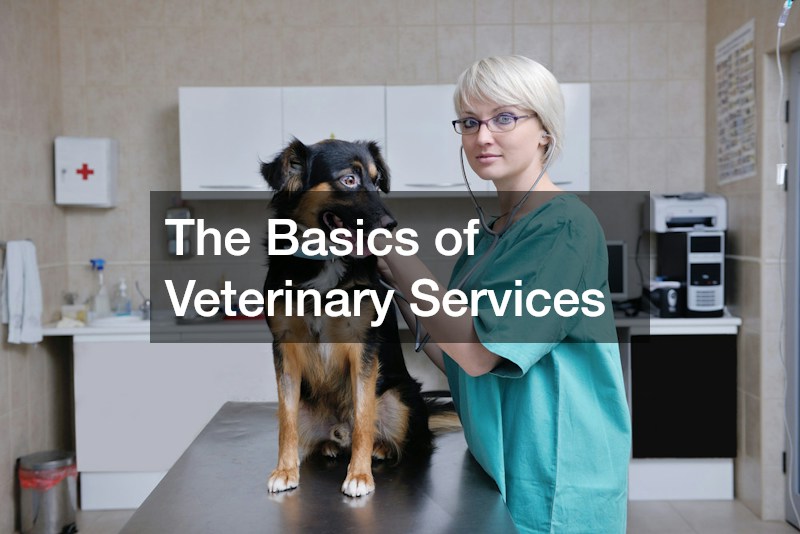

When it comes to ensuring the health and well-being of animals, veterinary services play an essential role. Just like humans, animals require regular health check-ups, timely interventions, and specialized care. The field of veterinary medicine is vast and covers a wide range of services aimed at improving animal health, preventing diseases, and ensuring welfare.
Whether you are a pet owner, a farmer, or someone interested in animal care, understanding the basics of veterinary services can help you provide the best possible care for animals. Here, we’ll discuss what veterinary services are, what types are available, and the role they play in overall familial health. Read on to learn more about the basic of veterinary services.
1. What Are Veterinary Services?
First of all, veterinary services encompass a variety of medical practices and procedures aimed at diagnosing, treating, and preventing animal diseases and injuries. Veterinarians, the trained professionals who provide these services, are responsible for the health care of pets, livestock, wildlife, and in some cases, zoo animals and exotic species. The fundamental idea of veterinary services is to maintain and enhance animal health and welfare while also controlling zoonotic diseases that can be transmitted from animals to humans.
2. Types of Veterinary Services
Secondly, veterinary services can be broadly classified into the following categories:
- Preventive Care: This includes vaccinations, routine check-ups, dental care, and wellness exams, all of which aim to prevent the onset of diseases and maintain overall health.
- Diagnostic Services: With technological advancements, diagnostic services like blood tests, imaging (X-rays, ultrasounds), and other laboratory tests help in identifying underlying health issues accurately.
- Treatment and Surgery: When an animal becomes ill or injured, veterinarians provide treatments that may include medication, surgeries, or other interventions to restore health.
- Emergency and Critical Care: Immediate care is provided in life-threatening situations such as accidents, poisoning, or sudden illness. These services are often available 24/7 in animal hospitals.
- Specialty Services: Some veterinarians specialize in areas such as dermatology, cardiology, oncology, or orthopedics, offering advanced treatments and procedures.
- Nutritional and Behavioral Counseling: Vets provide guidance on appropriate diet plans and behavior modifications to ensure the animals’ physical and mental well-being.
3. The Role of Veterinarians
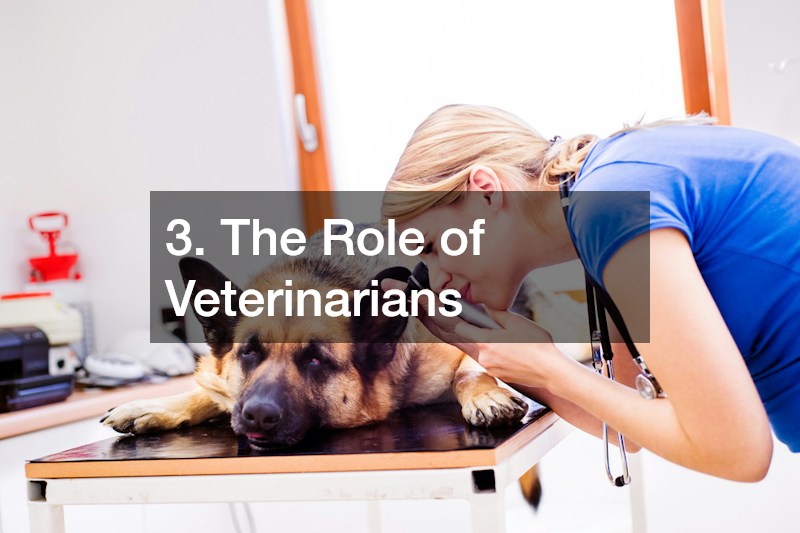
Additionally, veterinarians are more than just animal doctors; they are advocates for animal health and welfare. Their roles include:
- Conducting examinations and diagnosing health issues
- Performing surgeries and emergency interventions
- Providing advice on proper nutrition, behavior, and care
- Educating pet owners and the public about animal welfare
- Engaging in research and innovation in veterinary science
Their expertise is crucial in both preventing the spread of diseases and enhancing the quality of life for animals.
4. Importance of Regular Veterinary Visits
Furthermore, regular veterinary visits are crucial for several reasons. They ensure that vaccinations are up-to-date, which is vital for preventing contagious diseases. Routine check-ups allow for the early detection of potential health problems, enabling timely intervention before conditions worsen. Additionally, regular visits provide an opportunity for pet owners to discuss any behavioral or dietary concerns with a professional, ensuring a holistic approach to animal health care.
5. Veterinary Public Health
To add to that, a significant aspect of veterinary services that deserves attention is public health. Veterinarians play a critical role in managing zoonotic diseases that can be transmitted between animals and humans, such as rabies and avian influenza. Veterinary services are an integral part of public health, ensuring the health and safety of our beloved pets and making sure they aren’t carriers of any illnesses that can be passed on to children and other loved ones. They collaborate with public health officials to monitor and control the spread of such diseases, ultimately safeguarding human populations.
The basics of veterinary services encompass a range of practices that are fundamental for animal health and welfare. Veterinarians, with their extensive knowledge and skills, provide services that address preventive care, diagnostics, treatment, emergencies, and specialty needs. By understanding the importance of regular veterinary visits and the significant role these professionals play in public health, we can better appreciate the value they bring to our lives and the lives of the animals we care for. Being informed and proactive about veterinary services ensures that we contribute positively to a healthy and humane society for all living beings.