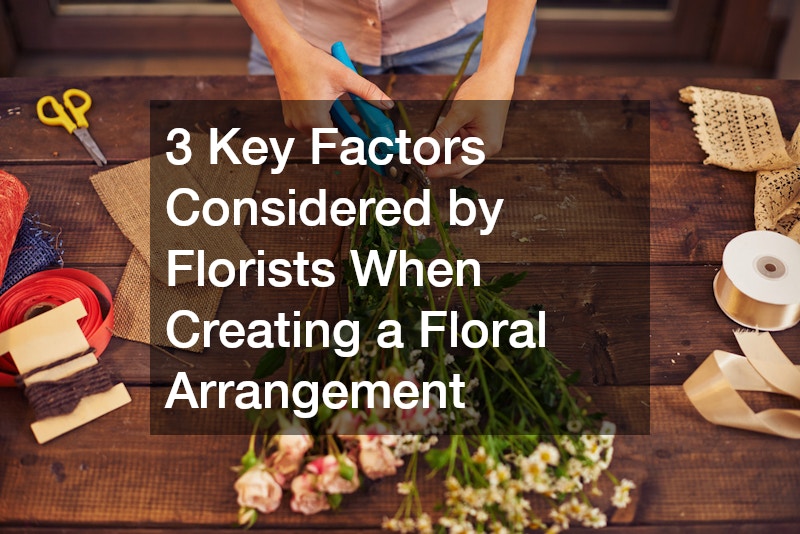

A beautiful floral arrangement can transform a space, express an emotion, or make an important occasion feel even more memorable. While flowers may seem simple at first glance, creating a balanced arrangement requires careful consideration of several details. The colors, textures, shapes, and overall presentation all influence how the finished design looks and feels.
Professional florists consider more than simply selecting attractive flowers. They evaluate the purpose of the arrangement, the characteristics of each bloom, and how different elements work together.
Understanding these factors can provide helpful insight into the creativity and planning behind a thoughtfully designed floral display.
1. Considering the Occasion and Intended Message
The purpose of a floral arrangement is one of the first factors considered during the design process. Flowers selected for a wedding may have a completely different appearance from those chosen for a birthday, anniversary, sympathy arrangement, or corporate event. The occasion helps establish an appropriate style, color palette, size, and overall mood.
Flowers can also communicate different emotions and sentiments. Roses are often associated with love and romance, while lilies may create a sense of elegance or remembrance. Sunflowers can bring warmth and cheerfulness to a design, while orchids can provide a more refined and sophisticated appearance. Expert florists consider these associations when selecting blooms that complement the message a customer wants to convey.
The setting also influences the design. An arrangement intended for a large reception venue may need to be more substantial than one designed for a dining table or bedside table. The available space, surrounding décor, and viewing distance can all affect the appropriate proportions.
Understanding the occasion allows the designer to create an arrangement that feels intentional rather than simply combining several attractive flowers. This attention to purpose helps ensure the finished design supports the atmosphere and meaning of the event.
2. Balancing Color, Texture, and Form
Color is another important consideration when developing a floral arrangement. Designers may select complementary shades for a harmonious appearance or contrasting colors when they want particular blooms to stand out. Seasonal colors, event themes, interior décor, and personal preferences can all influence the final palette.
Texture adds another layer of visual interest. Flowers with soft, rounded petals can be combined with blooms featuring sharper shapes or delicate foliage to create contrast. Greenery, branches, berries, grasses, and other botanical elements can further diversify the arrangement’s texture while helping individual flowers stand out.
The shape and form of each flower also matter. Some blooms create strong focal points because of their size or distinctive appearance, while smaller flowers can fill open areas and provide transitions between larger elements. Designers arrange these different forms carefully so the display does not appear overly crowded or visually unbalanced.
Achieving balance does not necessarily mean making every part of the arrangement identical. Asymmetrical designs can create movement and a more natural appearance when their visual weight is distributed thoughtfully. The goal is to make each element contribute to the overall composition without competing unnecessarily with the others.
3. Selecting Flowers for Freshness and Longevity
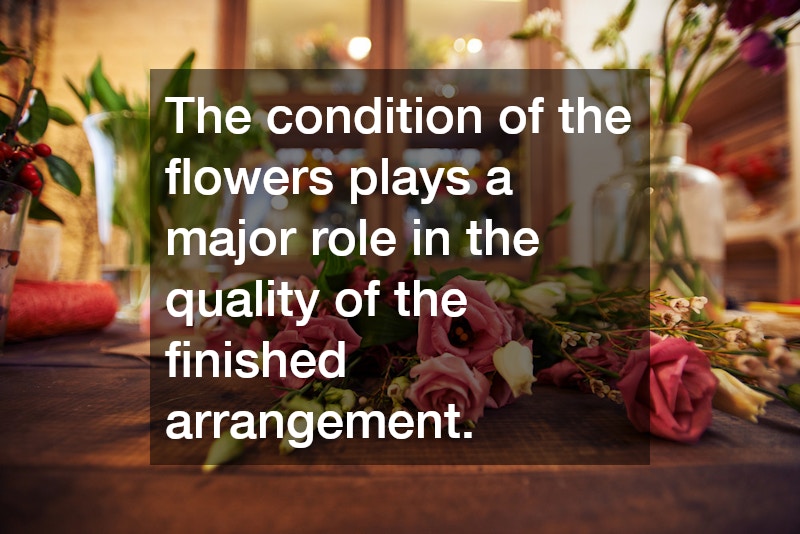
The condition of the flowers plays a major role in the quality of the finished arrangement. Fresh blooms generally provide stronger colors, firmer stems, and healthier foliage, giving the design a more vibrant appearance. Designers therefore pay close attention to the condition of individual flowers before incorporating them into an arrangement.
Different flowers also have different vase lives and care requirements. Some varieties remain attractive for extended periods, while others may begin to wilt more quickly. Combining flowers with compatible care requirements can help the arrangement maintain a cohesive appearance as the blooms mature.
Seasonality is another factor that can influence flower selection. Certain varieties are naturally more available during particular times of the year, which can affect both their appearance and cost. Seasonal flowers can also help an arrangement feel connected to the time of year, whether through spring blossoms, summer blooms, autumnal colors, or winter greenery.
A florist may also consider how the arrangement will be transported and displayed. Delicate flowers may require additional protection, while arrangements intended for outdoor events may need selections that can better tolerate environmental conditions. Considering these practical details helps preserve the design from creation through its final presentation.
Creating an effective floral arrangement involves much more than placing flowers into a vase. Qualified florists evaluate the occasion, balance color and texture, and select blooms based on freshness, availability, and durability. Each decision contributes to how the arrangement looks and how effectively it communicates its intended message.